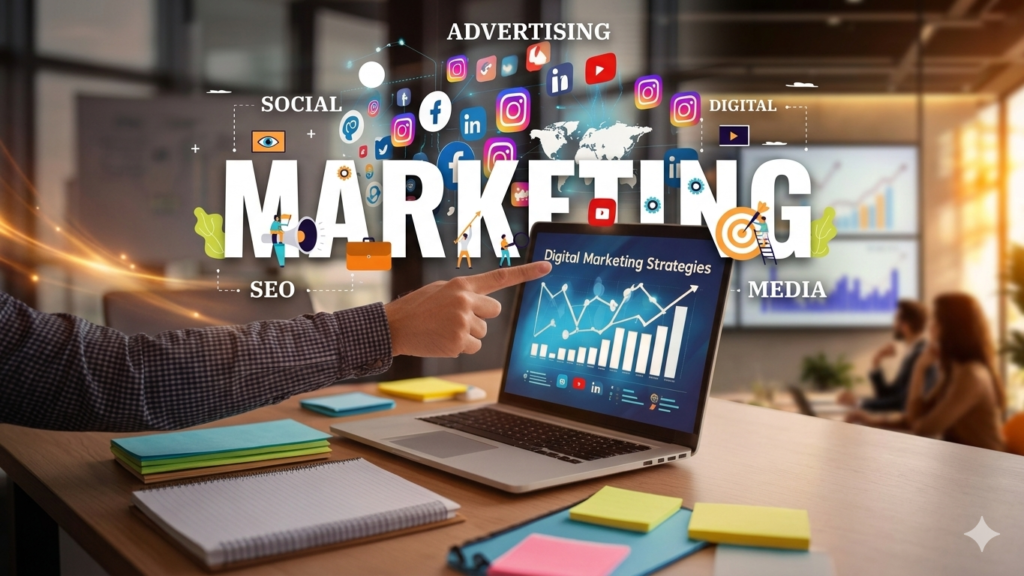
Digital Marketing once felt easy. Businesses created social media pages, posted regularly, ran a few ads, and saw results. Customers discovered brands quickly, engagement was high, and growth felt smooth and predictable.
But things have changed.
Digital Marketing is getting harder. Many businesses are spending more time and money online, yet seeing fewer results. At the same time, traditional marketing — which many once thought was outdated — is quietly becoming powerful again.
To understand why this is happening, we first need to understand what digital marketing means today. Digital marketing means promoting products and services through online platforms like social media, websites, search engines, and email. It means reaching customers through their phones and screens. It means trying to stand out in a fast-moving online world.
But as digital marketing grows, so do the challenges. And slowly, traditional marketing is finding its place again.
Digital Marketing Means More Competition Than Ever
Digital Marketing has made it easier for anyone to start a business. A small shop, a startup, or even an individual can create a brand online. This made digital marketing exciting in the beginning.
But now, digital marketing also means heavy competition.
Every day, thousands of businesses post content. Social media platforms are filled with ads, offers, and promotions. Customers scroll quickly and often ignore most of what they see. What once stood out now gets lost in the crowd.
Because of this, digital marketing is becoming harder. Businesses need more creativity, more effort, and sometimes more money just to get noticed. Posting regularly is no longer enough. Running ads doesn’t always guarantee results.
Digital marketing now means fighting for attention — and attention is becoming harder to win.
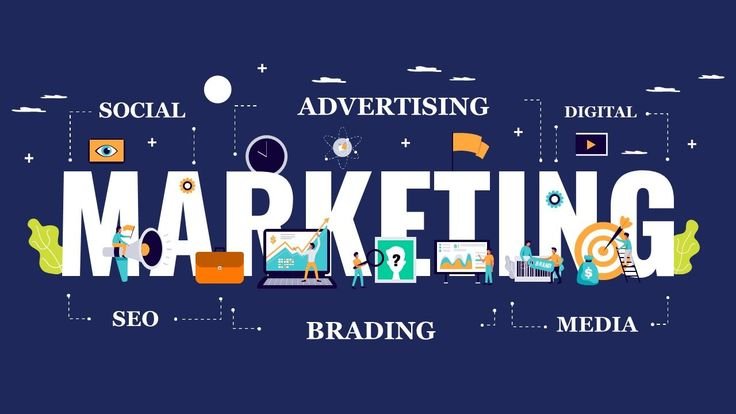
Increasing Costs and Altered Outcomes
There is also the issue of increasing costs. In the past, digital marketing was quite cheap for businesses, meaning that they could spend minimal amounts of money on advertising while receiving significant returns.
The problem now is that businesses are spending significantly yet getting lower conversion rates as competition drives the cost of advertising upward. Algorithm changes make it difficult to predict what works at all.
At the same time, customers are becoming more careful. They have seen too many exaggerated ads and unrealistic promises. Because of this, trust in online advertising is slowly decreasing.
And when trust online decreases, traditional marketing starts gaining importance again.
Traditional Marketing Is Quietly Gaining Strength
Traditional marketing never really disappeared. It simply took a back seat while digital marketing grew. But now, traditional marketing is slowly becoming effective again.
Traditional marketing includes:
• Shop boards
• Local events
• Word-of-mouth, newspaper advertisement etc
These methods may seem simple, but they offer something powerful — human connection.
Digital marketing helps businesses get their message across online. Traditional marketing helps businesses make a connection offline. It makes similarity. It creates personal engagement. And by doing this, it creates trust.
Real-World Marketing in Action
Think of an ad for a new café on the internet. You’ll just glance at it. You might remember seeing it. But you won’t think much of it.
Imagine going out into your local area and finding that same cafe. Seeing it bustling with customers. Smelling its coffee. Then later being told by someone you know how great it is. This feels more authentic.
And this is where traditional marketing is so effective.
Digital marketing gets your brand seen. Traditional marketing makes sure people experience it. And experience breeds trust.
Word-of-Mouth Is Gaining Power
Word-of-mouth marketing has always had power. Today, however, that power is growing. Recommendations from people we know are more trustworthy than anything seen online.
Digital marketing enables brands to engage with people.
Word-of-mouth allows people to share their opinions with one another.
That’s quite a big difference.
Companies that have a customer experience-oriented approach naturally gain from this trend. Their satisfied customers spread their experience. They recommend the company to others. They introduce them to new clients.
It may not be quick growth, but it will be stable and consistent.
Local Businesses Are Driving This Transition.
It is local companies that are gradually gaining from this transformation. Local coffee shops, local stores, and local service providers are forging great connections with their clients.
Digital Marketing Will Help Reach Many People. Traditional Marketing Will Help Create Deeper Connections
Often, loyal customers visit the store regularly. They also refer the store to their friends. Thus, sustainable growth occurs.
How Digital Fatigue Has Affected Consumer Behaviour
Today, consumers are exposed to many digital advertisements. They scroll through social media feeds, watch advertisements, and read promotional emails every day. As a result, consumers experience digital fatigue.
They stop seeing ads. They ignore promotions. They mindlessly scroll through their phones.
Digital Marketing Means Exposure 24/7. Too Much Exposure Will Make Digital Marketing Less Effective.
Traditional Marketing Breaks the Cycle of Digital Fatigue.
An eye-catching advertisement in a store window. A flyer that captures interest. A conversation that creates an emotional connection.
All these experiences stand out amid the flood of digital content.
Combining Digital and Traditional Marketing Strategies:
This change does not mean digital marketing importance is getting low or useless, still digital marketing has excellent reach and convenience. However, relying solely or depending too much on digital marketing can be risky.
Intelligent companies are now incorporating both methods.
For instance:
• A local store uses banners and also shares updates online
• A café hosts events and posts them on social media
• A boutique distributes flyers and builds an online audience
The use of both this marketing strategy is good for every business.
Digital marketing helps to create more visibility. Where, Traditional marketing helps to build trust. Together, they both makes a marketing successful.
Customer Experience is valuable than anything.
Today, customers remember how businesses make them feel. A friendly conversation, helpful service, and small thoughtful gestures create lasting impressions.
Traditional marketing naturally supports this. It encourages real interaction. It builds emotional connections.
Digital marketing can support this, but it cannot fully replace real experiences. That’s why businesses focusing on customer experience are growing stronger.
Trust Is Becoming the Most Valuable Asset
Trust is becoming the most important part of marketing. Customers want brands they can depend on. They prefer businesses that feel genuine.
Digital marketing builds quick communication. Traditional marketing builds trust slowly.
Seeing a shop regularly creates familiarity. Talking to staff creates comfort. Hearing positive feedback builds confidence.
Over time, these experiences create strong brands.
The Future of every marketing:
The future of marketing is not about selecting digital or traditional. It’s all about understanding how they work together.
Digital marketing helps businesses to reach people quickly. Traditional marketing helps businesses to build meaningful relationships.
CONCLUSION
Digital marketing is getting harder day by day. Competition is high. Costs are rising on each. Building Trust is harder than before because of many fakes. It reflects traditional marketing is quietly winning again.
Digital marketing helps businesses to noticed and Traditional marketing helps businesses to get remembered.
A world of busy digital noise, real experiences stand out. Businesses that mainly focus on trust, relationships, and consistency will grow stronger.
Because marketing is not about being seen.
It’s all about being remembered.
By Shahans.com